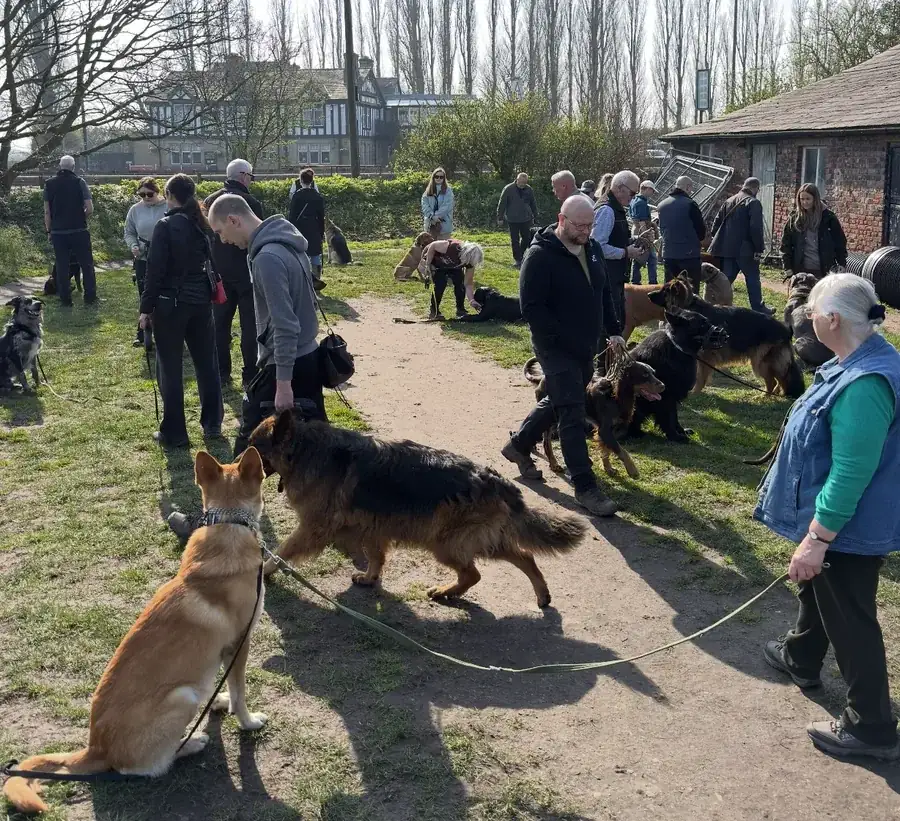
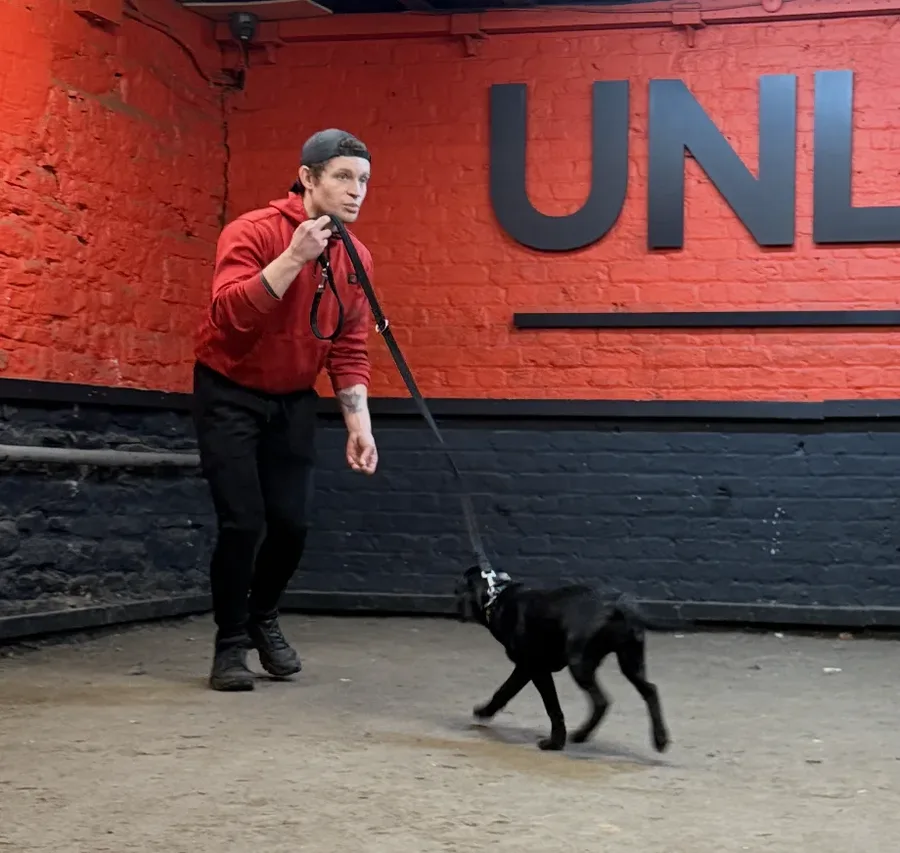
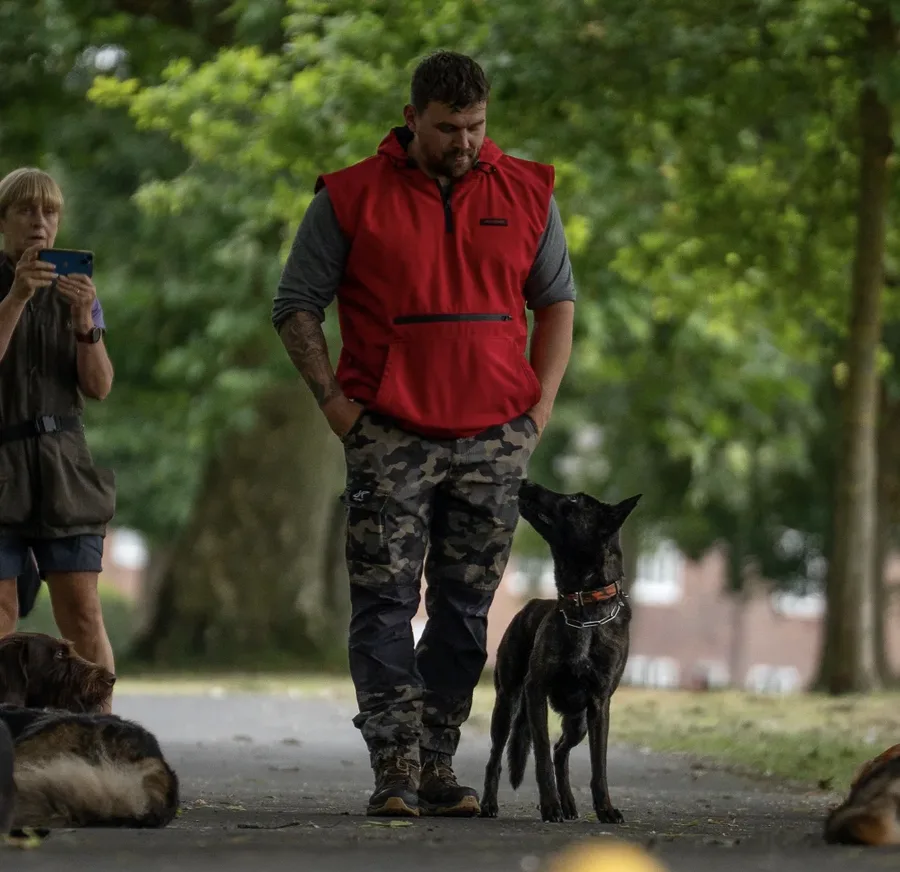
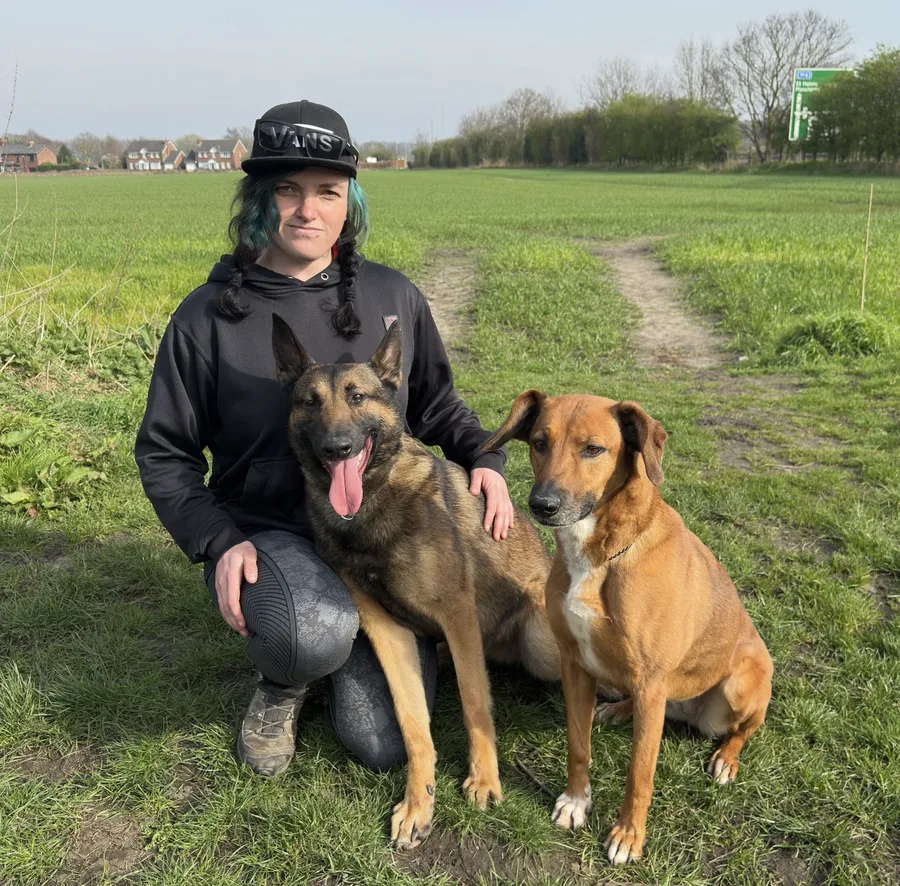
Gallery
Friendly, food-mad and eager to please, Labradors train readily, but their strength, bounce and long adolescence need early, structured work.
The Labrador is the most popular dog in Britain, and for good reason. They are friendly, endlessly food-motivated and genuinely want to please you, which makes Labrador training a real pleasure when it is done with structure. Get the approach right and a Lab will work for you all day long.
The catch is that all that enthusiasm comes in a big, bouncy, slow-maturing package. A Labrador stays a boisterous teenager for a long time, and without clear rules that energy turns into pulling, jumping and stealing. We are Unleashed K9, run by Danny Wells near St Helens, and this is a breed we know inside out.
If you had to design an easy dog to train, you would land somewhere close to a Labrador. They are clever, sociable and ruled by their stomach, which means they will happily do almost anything for a piece of food. That eagerness to please is the trait that makes them such a joy to work with, and it is why a well-trained Lab is one of the steadiest dogs you will ever meet.
The flip side is that Labradors are strong and slow to grow up. A fully grown Lab is a powerful dog, and the adolescence that gets it there is long and bouncy. For a year or more you are living with a big, excitable youngster that has more muscle than self-control, and that is exactly where most of the problems come from.
So the breed is trainable, no question. The work is simply channelling all that drive and energy into the right outlets before the bad habits set in.
The good news is that everything that makes a Labrador a handful also makes it easy to motivate. That huge food drive is a gift in Labrador training. We use it to build focus and reward the behaviour we want, so your dog learns that listening to you pays better than chasing its own ideas.
We balance that reward with clear, fair boundaries so your Lab understands where the line is. Most owners come to us for 1-2-1 training, where we tackle your dog's specific habits head on, and for lead walking to turn that shoulder-wrenching pull into a calm walk you can actually enjoy. From there, solid general obedience ties it all together, giving you reliable control at home, on the walk and around other dogs.
The aim is never to flatten your Lab's character. It is to keep all that joy and energy and simply give you the off switch that makes living with one easy.
Labradors are slow to mature, so the habits you allow in the first year are the ones you live with for the next decade. The pulling, the jumping and the mouthing are all far easier to prevent than to undo, which is why we would always rather see a Lab young. Getting the foundations in early saves you a long, boisterous adolescence spent firefighting.
If you have a Lab puppy, our puppy training sets the rules before the problems ever start. If your Lab is already grown and running the show, it is not too late, we work with plenty of adult Labs and get them there. Either way, the best first step is an honest initial assessment.
Common questions from Labrador owners
Yes, as breeds go they are one of the easier ones. Labradors are clever, sociable and driven by food, so they pick things up quickly and love to work for a reward. The challenge is not whether they can learn, it is managing their strength, their bounce and a long adolescence, which is where clear structure makes all the difference.
A pulling Labrador is strong enough to take you off your feet, so this is one of the most common jobs we get. The fix is teaching your dog that a loose lead is what moves you forward, using its food drive to reward the position you want. We cover exactly this in our lead walking work, and most owners see a real change quickly once the rules are consistent.
Both come from an excitable, friendly dog with no off switch yet, so we tackle the overexcitement at the root rather than just telling the dog off. We teach a calm greeting and give the mouth something acceptable to do, then reward the dog heavily for keeping four feet on the floor. Done consistently it settles down fast, even in a big, bouncy adult Lab.
As early as you can. Labradors mature slowly, so the habits you allow as a puppy are the ones you live with for years. Starting young with puppy training prevents the pulling, jumping and mouthing before they ever set in. That said, it is never too late. We work with plenty of adult Labs and still get them there, it just takes a little longer.
At our farm, Brandreth House Farm in St Helens, with free parking on site. We work with Labrador owners from right across Liverpool and the North West, building the training in a controlled setting first before proofing it for the places you actually walk.
Gallery
Book your Initial Assessment today and take the first step towards a calmer, more obedient companion.
Book Your Assessment