Gallery
Intelligent, high-drive and fiercely loyal, German Shepherds thrive on structure, and we turn reactivity and nervousness into calm, confident dogs.
The German Shepherd is one of the most capable dogs you can own, and one of the easiest to get wrong. They are clever, driven and fiercely loyal, bred to work alongside people and make their own decisions. Done right, german shepherd training channels all of that into a calm, confident, switched-on companion. Done badly, or not at all, and that drive turns into reactivity, nervousness and a dog that runs the house.
Danny Wells has worked with German Shepherds across St Helens, Liverpool and the wider North West for years. His approach is balanced and honest, and it respects what the breed actually is, rather than treating them like a soft family pet with pointy ears.
German Shepherds are working dogs first. They are highly intelligent, they learn fast, and they carry the kind of drive that needs an outlet. That is a gift when you give them a job, and a headache when you do not, because a bored Shepherd invents its own job, and rarely the one you would pick.
They also bond hard and come with a deep guarding and protective instinct. That loyalty is a big part of the appeal, but it means they take their lead from you. A calm, clear owner tends to get a calm, clear dog. An uncertain one gets a dog that fills the gap and starts making its own calls about who is allowed near the family.
The upside is that the very traits that make them a handful make them superb to train. They want structure, clarity and purpose, and a Shepherd given those three things will work with you all day.
Most Shepherds that come to us are not bad dogs, just capable dogs with no outlet and no structure. These are the issues we see most.
Our approach to german shepherd training is balanced and structured. That means clear rules, fair consequences and plenty of reward for the right behaviour, not treats alone or corrections alone. Shepherds respect fairness and consistency, and they switch off for anyone who nags or begs. If you have been reading up on how to train a german shepherd and come away more confused than when you started, that is usually why: the breed needs a plan built around the dog in front of you, not a bag of generic tricks.
Where there is barking, lunging or aggression towards people or dogs, we build a plan through our reactivity training, and for deeper rooted issues we step up to behaviour modification. Most owners get the fastest results from focused 1-2-1 training, tailored to your dog, your home and the exact things going wrong.
Once the foundation is solid, a well-bred, stable German Shepherd can go further than most. Their drive and nerve make them a natural fit for personal protection, one of the most rewarding things you can do with the breed once obedience and confidence are locked in.
If you have a Shepherd puppy, now is the moment. Early structure and socialisation head off most of the reactivity and nervousness we unpick in adult dogs. Our puppy training gets the foundations in while that window is open, so you grow up alongside a stable, confident dog instead of firefighting later.
That said, it is never too late. Adolescent and adult Shepherds respond brilliantly to the right structure, and plenty of our best turnarounds started as so-called problem dogs. Wherever you are, the first step is the same: book an initial assessment so Danny can meet your dog, see what is really going on and build you a plan that works.
Common questions from German Shepherd owners
Not when you understand the breed. German Shepherds are highly intelligent and learn fast, which cuts both ways, because they pick up bad habits as quickly as good ones. Give them clear structure, fair rules and a real job to do and they are one of the most rewarding breeds you can train. Leave them bored and directionless and the problems stack up fast.
You cannot nag or punish it out of them, and you cannot flood them with the thing they are reacting to and hope they settle. Reactivity in a Shepherd is usually fear or an over-tipped guarding instinct, so we build calm and confidence in a controlled setting first, then add distraction a layer at a time. Our reactivity training and behaviour modification give you a clear, step by step plan rather than guesswork.
As early as you can. Eight weeks is not too young to start the foundations, and getting structure and proper socialisation in while the puppy is young heads off most of the reactivity and nervousness we see in adult dogs. That said, it is genuinely never too late. We turn around plenty of adolescent and fully grown Shepherds too.
Yes. A well-bred, stable German Shepherd with a solid temperament is one of the best breeds for it, which is why they are used in that work the world over. We only take protection work on once obedience and confidence are properly in place, and we build it on top of that foundation rather than rushing a dog that is not ready.
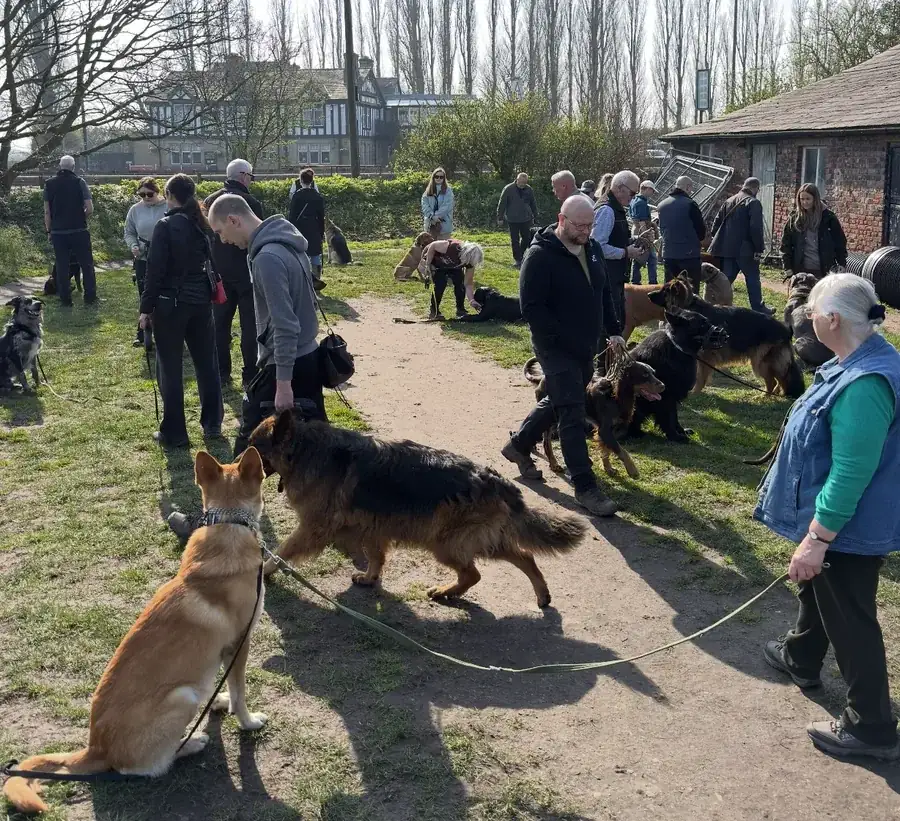
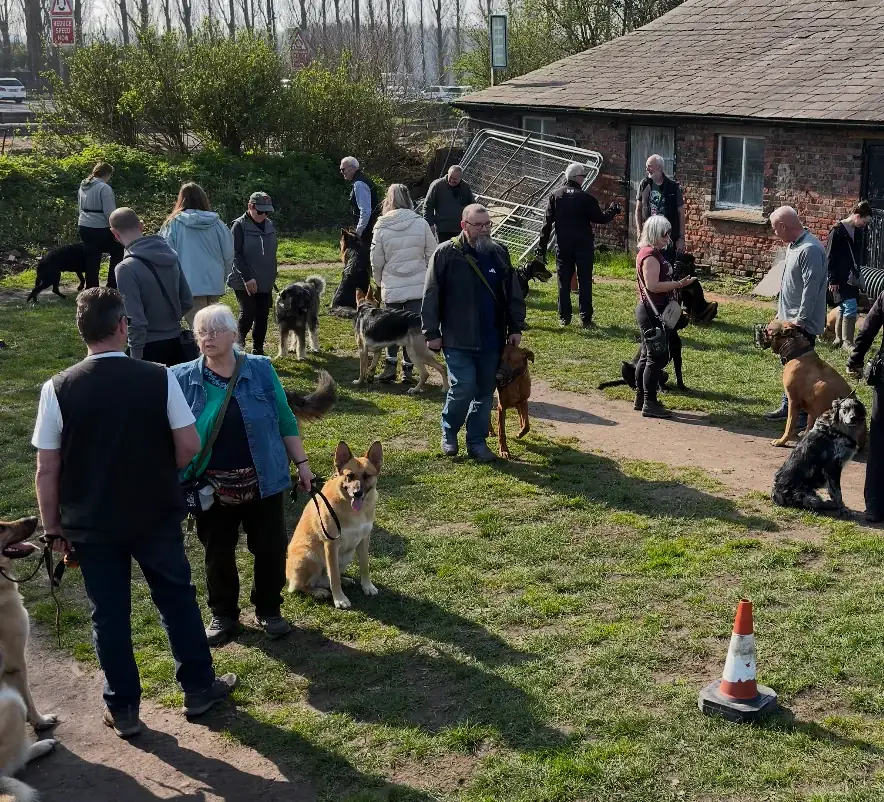
Most sessions take place at our farm, Brandreth House Farm in St Helens, a calm and controlled space that is ideal for a Shepherd to learn without every distraction firing at once. We work with owners from across Liverpool and the North West, and we run monthly pack walks in changing locations so your dog learns to stay switched on to you anywhere.
Gallery
Book your Initial Assessment today and take the first step towards a calmer, more obedient companion.
Book Your Assessment