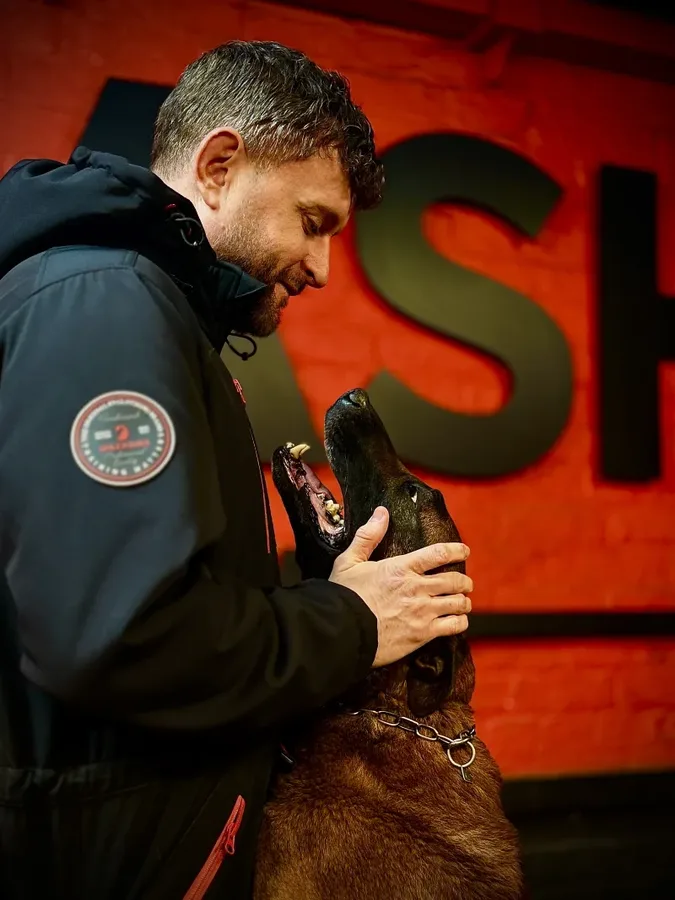
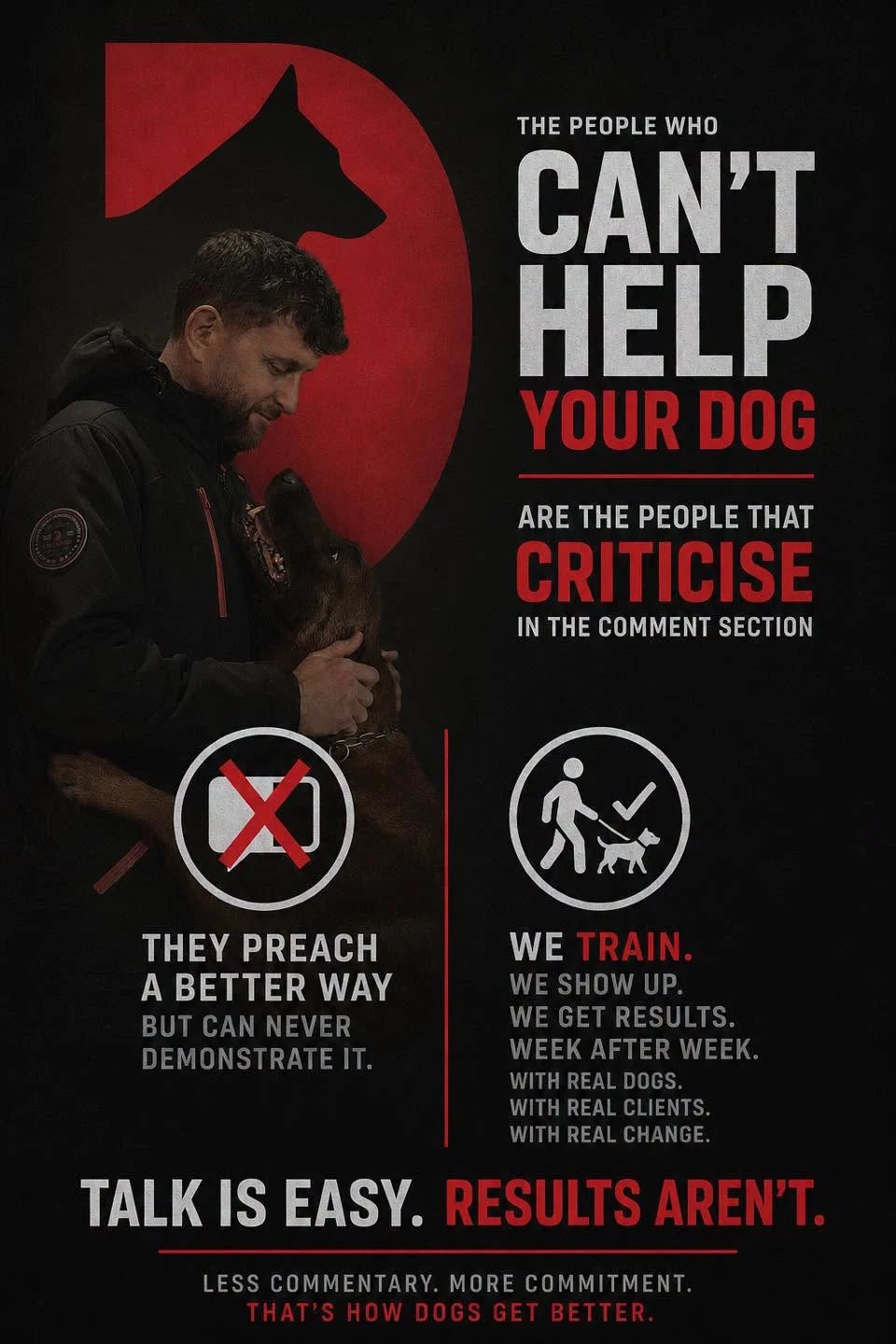
For well over a decade now I have shown, week after week, real behaviour change in dogs. Not theory, not opinion, but actual, verifiable results that improve the lives of both the dog and the owner. The reality is that the vast majority of my clients come to me after they have already spent hundreds, sometimes thousands of pounds, chasing solutions that were never going to work.
Many of them have been sold the idea that all behaviour problems can be fixed with a reward-only approach. It sounds appealing. It sounds kind. But in practice, for most behavioural issues, it often falls short. Owners are left frustrated, dogs are left confused, and in too many cases the behaviour either remains the same or gets worse.
A big part of the problem is the way services are marketed. Some behaviourists charge significant fees, often softened by the suggestion that it can be claimed through insurance. The outcome rarely matches the cost, and the long-term effect is not only a lack of progress but increased premiums and continued stress for the owner. More importantly, the dog is no better off.
Behaviour Is Shaped by Consequences
At its core, behaviour, whether human or animal, is shaped by consequences. This is not opinion, it is well established in behavioural science. Dogs repeat behaviours that work for them. If a behaviour brings relief, access, or control, it will be repeated. If a fearful dog has learned that reactivity or aggression creates space and reduces pressure, that behaviour becomes the dog's go-to strategy.
It is not defiance, it is learning.
The idea that animals learn purely through reward, without any form of consequence or boundary, does not reflect how learning actually works. Effective training is about clarity. It is about helping the dog understand which choices lead to better outcomes and which do not. That involves reinforcing the right behaviours, but it also involves removing the effectiveness of the wrong ones and gradually building the dog's ability to cope with stress in a controlled and structured way.
Dogs Aren't Born Knowing Our World
Dogs are not born with an understanding of what is socially acceptable or safe within a human environment. They don't naturally know what puts people, other animals, or themselves at risk. They operate on simple principles: seek comfort, avoid discomfort and improve their situation. Good training provides them with the guidance they need to make better decisions within the world we expect them to live in.
Clarity, Not Fear
This is not about creating fear. It is about education and clarity. We all live within a system of consequences. We don't follow rules because we are constantly being rewarded for doing so. We follow them because we understand the outcomes attached to our actions. That understanding allows us to navigate the world safely and confidently. Dogs are no different. When they are properly taught what works and what doesn't, they don't live in fear. They live with clarity.
Before You Spend a Penny, Ask: Where's the Proof?
This post is not aimed at the loudest voices in the comments. It is for the everyday dog owner who just wants help, who wants their dog to be calmer, safer, and easier to live with. Before you invest your time and money, ask yourself a simple question: where is the proof? Not words, not opinions, but actual verifiable results.
Because at the end of the day, talk is easy. Real-world outcomes are what matter.